🎀RomFemCom🎀

Exploring feminist perspectives on romantic comedies, their stereotypes, and their impact on culture.

Reviews 📢

What people are saying about feminist themes in romantic comedies.

Bridesmaids

Bridesmaids (2011)

Directed by Paul Feig

Review

Ebert praises the film for its effective ensemble cast, highlighting characters like Rita and Megan, and commends its balance of humor and character development.

https://www.rogerebert.com/reviews/bridesmaids-2011?utm_source=

Rotten Tomatoes Summary

The film is lauded for combining genuine characters with gross-out gags and pathos, with Kristen Wiig's performance receiving particular acclaim.

https://www.rottentomatoes.com/m/bridesmaids_2011?utm_source=
Girls Trip

Girls Trip (2017)

Directed by Malcolm D. Lee

Review

Described as the "ladies-on-the-loose comedy" that everyone needs, the film is celebrated for its humor and portrayal of female friendship.

https://www.rogerebert.com/reviews/girls-trip-2017?utm_source=

The Guardian's Review

The film is noted for its confident handling of ribald comedy and female friendship dynamics, delivering a fresh and entertaining experience.

https://www.theguardian.com/film/2017/jul/19/girls-trip-review-raucous-comedy-delivers-fresh-and-filthy-good-time?utm_source=
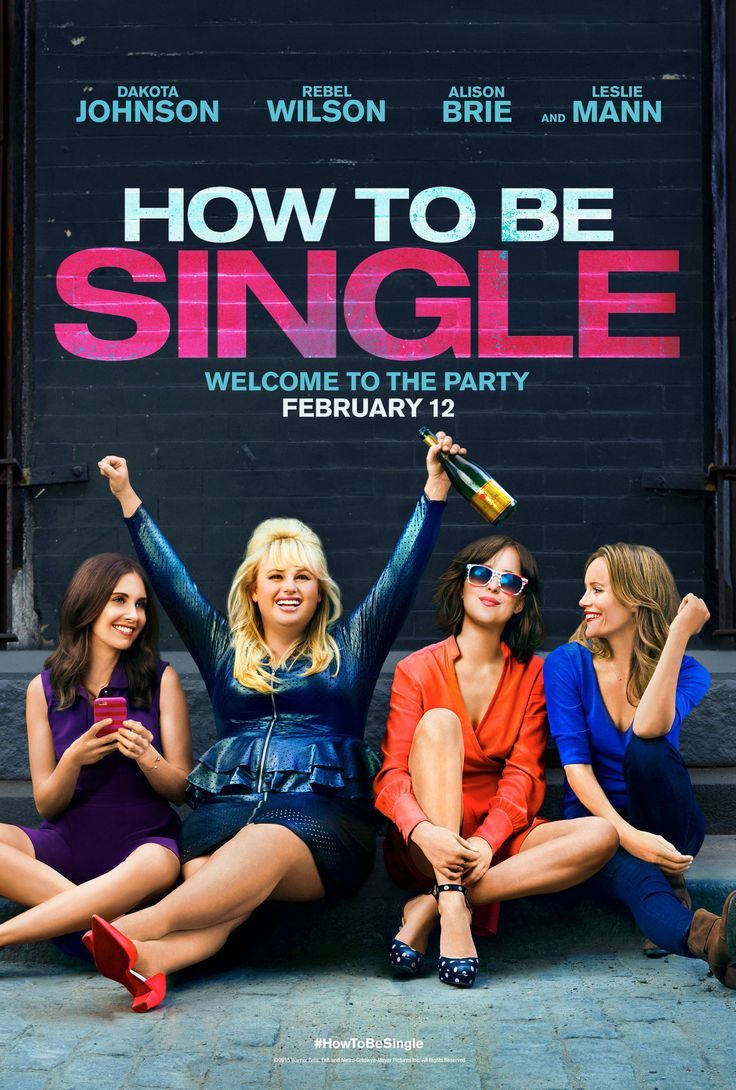
How to Be Single

How to Be Single (2016)

Directed by Christian Ditter

Review

The film is critiqued for its ensemble cast dynamics, with some characters feeling underdeveloped, but acknowledges moments of humor and insight.

https://www.rogerebert.com/reviews/how-to-be-single-2016?utm_source=

Rotten Tomatoes Summary

While aiming to subvert rom-com conventions, the film is noted for indulging in genre clichés, resulting in mixed critical reception.

https://www.rottentomatoes.com/m/how_to_be_single_2016?utm_source=
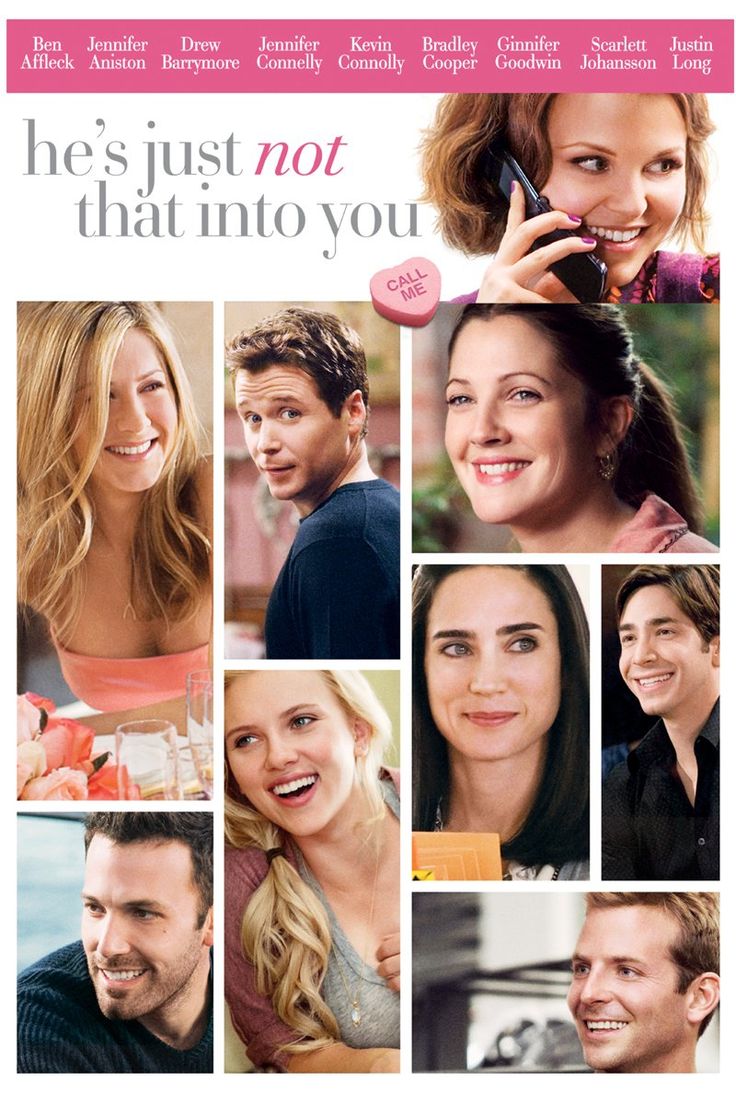
He's Just Not That Into You

He's Just Not That Into You (2009)

Directed by Ken Kwapis

Review

Ebert finds the film imperfect, particularly criticizing its overly optimistic endings, which he feels don't reflect real-world relationship complexities.

https://www.rogerebert.com/reviews/hes-just-not-that-into-you-2009?utm_source=

Rotten Tomatoes Summary

The film features a great cast but is considered mediocre, with critiques pointing to its lack of humor and portrayal of unsatisfying relationships.

https://www.rottentomatoes.com/m/hes_just_not_that_into_you?utm_source=
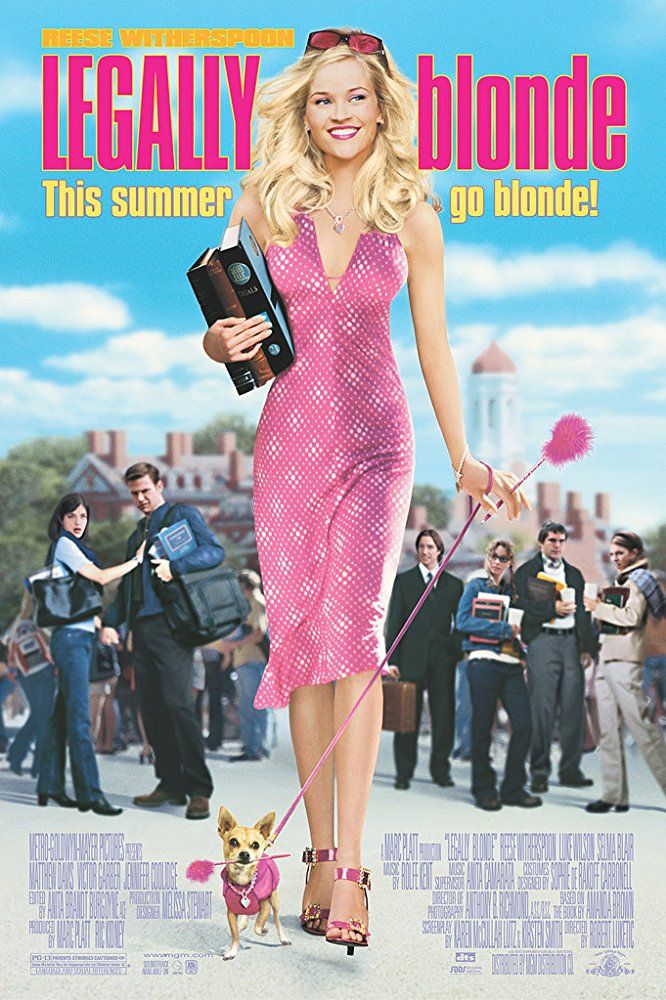
Legally Blonde

Legally Blonde (2001)

Directed by Robert Luketic

Review

Ebert describes the film as a "featherweight comedy" that balances silliness and charm, largely driven by Reese Witherspoon's engaging performance.

https://www.rogerebert.com/reviews/legally-blonde-2001?utm_source=

Rotten Tomatoes Summary

The film is praised for conveying the importance of self-belief in pursuing goals and dreams, making it a recommended watch for its empowering message.

https://www.rottentomatoes.com/m/legally_blonde?utm_source=

Join Our Community 💌

Stay updated with discussions on feminism in romantic comedies.

Feminist Theories 📖

Key feminist works and theories in film and media.

Foundational Feminist Film Theory

Laura Mulvey

Book: Visual and Other Pleasures

Publisher: Indiana University Press

Year: 1989

Read more

Mary Ann Doane

Book: Femmes Fatales: Feminism, Film Theory, Psychoanalysis

Publisher: Routledge

Year: 1991

Read more

bell hooks

Book: Reel to Real: Race, Sex, and Class at the Movies

Publisher: Routledge

Year: 1996

Read more

Annette Kuhn

Book: Women's Pictures: Feminism and Cinema

Publisher: Verso Books

Year: 1994

Read more

E. Ann Kaplan

Book: Women and Film: Both Sides of the Camera

Publisher: Routledge

Year: 1983

Read more

Postfeminist Media Theory

Rosalind Gill

Article: Postfeminist Media Culture: Elements of a Sensibility

Publisher: European Journal of Cultural Studies

Year: 2007

Read more

Angela McRobbie

Article: Post-Feminism and Popular Culture

Publisher: Feminist Media Studies

Year: 2004

Read more

Yvonne Tasker and Diane Negra

Edited Volume: Interrogating Postfeminism: Gender and the Politics of Popular Culture

Publisher: Duke University Press

Year: 2007

Read more

Sarah Banet-Weiser

Article: Postfeminism and Popular Feminism

Publisher: Feminist Media Histories

Year: 2018

Read more

Intersectional Feminism

Kimberlé Crenshaw

Article: Demarginalizing the Intersection of Race and Sex: A Black Feminist Critique of Antidiscrimination Doctrine, Feminist Theory, and Antiracist Politics

Publisher: University of Chicago Legal Forum

Year: 1989

Read more

Patricia Hill Collins

Book: Black Feminist Thought: Knowledge, Consciousness, and the Politics of Empowerment

Publisher: Routledge

Year: 1990

Read more

bell hooks

Book: Ain't I a Woman? Black Women and Feminism

Publisher: South End Press

Year: 1981

Read more

Angela Davis

Book: Women, Race, & Class

Publisher: Random House

Year: 1981

Read more

Audre Lorde

Book: Sister Outsider: Essays and Speeches

Publisher: Crossing Press

Year: 1984

Read more

Feminist Humor Theory

Janet Bing

Article: Is Feminist Humor an Oxymoron?

Publisher: Women and Language

Year: 2004

Read more

Audrey Bilger

Book: Laughing Feminism: Subversive Comedy in Frances Burney, Maria Edgeworth, and Jane Austen

Publisher: Wayne State University Press

Year: 1998

Read more

Kathryn Kein

Article: Recovering Our Sense of Humor: New Directions in Feminist Humor Studies

Publisher: Feminist Studies

Year: 2015

Read more

Flicks and Consumerist Feminism

Suzanne Ferriss and Mallory Young

Edited Volume: Chick Flicks: Contemporary Women at the Movies

Publisher: Routledge

Year: 2008

Read more

Additional Postfeminist Perspectives

Yvonne Tasker and Diane Negra

Edited Volume: Interrogating Postfeminism: Gender and the Politics of Popular Culture

Publisher: Duke University Press

Year: 2007

Read more

Rosalind Gill

Article: Postfeminist Media Culture: Elements of a Sensibility

Publisher: European Journal of Cultural Studies

Year: 2007

Read more

Angela McRobbie

Book: The Aftermath of Feminism: Gender, Culture and Social Change

Publisher: SAGE Publications

Year: 2009

Read more

The Cinderella Complex & Romantic Idealism

Colette Dowling

Book: The Cinderella Complex: Women's Hidden Fear of Independence

Publisher: Simon & Schuster

Year: 1981

Read more

Huimin Xu, Zhang Zhang, Lingfei Wu, and Cheng-Jun Wang

Article: The Cinderella Complex: Word Embeddings Reveal Gender Stereotypes in Movies and Books

Publisher: PLOS ONE

Year: 2019

Read more

Puri Bestari Mardani and Maria Febiana Christanti

Article: Cinderella: The Feminist Tale (A Discourse Analysis of the Story's Adaptation through Podcast)

Publisher: Ekspresi dan Persepsi: Jurnal Ilmu Komunikasi

Year: 2024

Read more

Elisabeth Rose Gruner

Article: The Shoe Still Fits: Ever After and the Pursuit of a Feminist Cinderella

Publisher: Johns Hopkins University Press

Year: 2003

Read more

Feminist Theories Timeline ⏳

1970s

Emergence of Feminist Film Critique

Key Authors: Laura Mulvey, Claire Johnston

Laura Mulvey’s "Visual Pleasure and Narrative Cinema" (1975) introduced the "male gaze."

Claire Johnston examined the role of women in cinema and the construction of female images.

Key Events:

1972: Publication of *Women & Film*, the first feminist film magazine.

1975: Laura Mulvey's essay significantly influences feminist film theory.

1980s

Psychoanalytic and Semiotic Approaches

Key Authors: Kaja Silverman, Teresa de Lauretis

Kaja Silverman explored subjectivity and the female spectator in cinema.

Teresa de Lauretis introduced the concept of the "female spectator."

Key Events:

Psychoanalytic and semiotic theories integrate into feminist film analysis.

1990s

Intersectionality and Diversity

Key Authors: bell hooks, Patricia Hill Collins

bell hooks critiqued feminist film theory’s lack of attention to race and class.

Patricia Hill Collins explored intersections of race, gender, and class in media.

Key Events:

Feminist film theory expands to discussions on race, class, and sexuality.

2000s

Postfeminism and Media Culture

Key Authors: Rosalind Gill, Angela McRobbie

Rosalind Gill analyzed postfeminist media culture.

Angela McRobbie examined portrayals of women’s empowerment in media.

Key Events:

Critical analysis of gender and power representations in postfeminist media.

2010s–Present

Digital Media and New Narratives

Key Authors: Bracha L. Ettinger, Griselda Pollock

Bracha L. Ettinger introduced the "matrixial gaze."

Griselda Pollock explored feminist interventions in cinema and the visual arts.

Key Events:

Analysis of online content, female filmmakers, and movements like #MeToo.

Comments 💬

See what our community thinks about it

Leave a Comment